
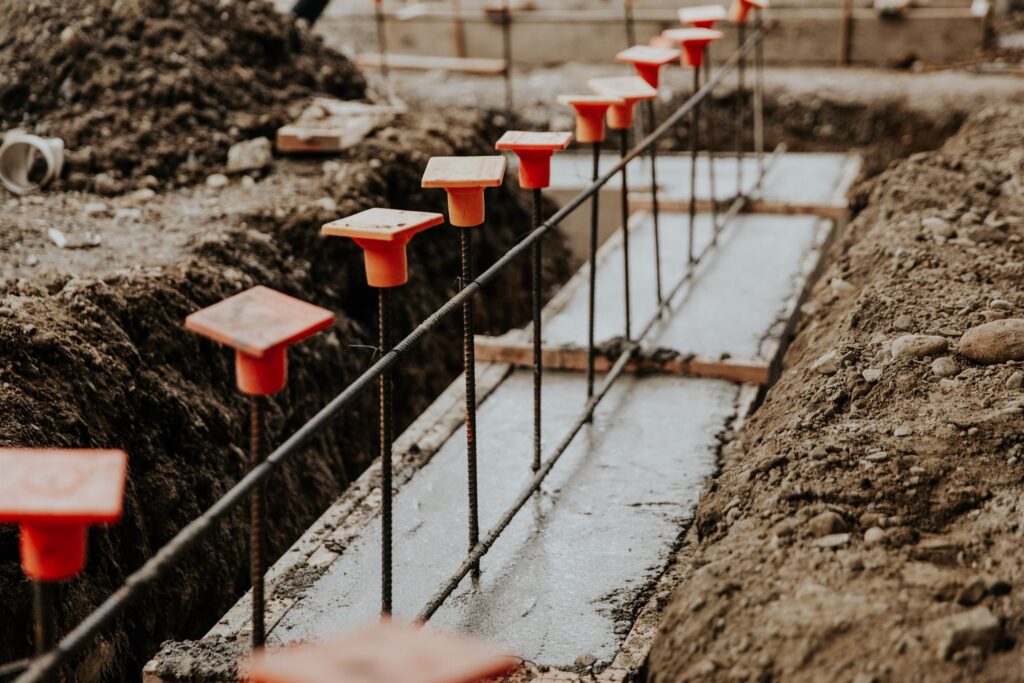
Footing in Building Construction: Essential Types and Structural Significance
Understanding Structural Load Distribution
Footings play a pivotal role in transferring building loads directly into the soil beneath. They are engineered to spread the weight of walls, columns, and entire structures across a broader surface area, minimizing ground pressure and preventing potential structural failures.
Primary Types of Footings in Construction
Construction professionals utilize several footing designs tailored to specific soil conditions, structural requirements, and architectural specifications:
- Isolated Footings: Ideal for individual column support, these rectangular or square foundations concentrate load transfer at specific points
- Strip Footings: Continuous linear foundations typically used for load-bearing walls, providing uniform weight distribution
- Raft Foundations: Comprehensive ground-covering slabs that distribute loads across entire building footprints, particularly effective in weak soil conditions
- Pile Foundations: Deep structural elements driven into challenging ground environments like marshy or unstable terrains
Critical Design Considerations
Engineers must meticulously evaluate multiple factors when designing footings, including:
- Soil bearing capacity
- Anticipated structural loads
- Ground water table levels
- Potential seismic activity
- Environmental conditions
Material Selection and Composition
Modern footings predominantly employ reinforced concrete, combining compressive strength with tensile reinforcement. Steel rebars strategically embedded within concrete enhance structural integrity, resistance to cracking, and long-term durability.
Installation Best Practices
Successful footing installation demands precision and careful execution. Key steps include:
- Thorough site excavation to designated depths
- Precise leveling and compaction of foundation base
- Implementing appropriate drainage mechanisms
- Ensuring proper concrete mixing and placement
- Maintaining recommended curing conditions
Advanced Technological Interventions
Contemporary construction techniques incorporate advanced technologies like geotechnical sensors and computer-aided design (CAD) for more accurate footing analysis. These innovations enable engineers to simulate potential load scenarios, predict structural behavior, and optimize foundation designs with unprecedented precision.
Environmental and Sustainability Considerations
Modern footing designs increasingly prioritize environmental sustainability. Engineers now explore eco-friendly materials, implement reduced carbon footprint techniques, and design foundations that minimize ecological disruption during construction processes.
Potential Challenges and Mitigation Strategies
Despite meticulous planning, footings can encounter challenges such as soil settlement, ground water fluctuations, and unexpected geological conditions. Proactive monitoring, periodic structural assessments, and adaptive design strategies help mitigate potential risks.
Economic and Long-Term Performance
While initial footing installation represents a significant investment, proper design and execution ensure substantial long-term benefits. Well-constructed foundations reduce maintenance costs, prevent structural degradation, and extend overall building lifespans significantly.
Critical Installation Techniques and Engineering Considerations for Foundational Support
Understanding Structural Load Distribution
Effective foundational support begins with a comprehensive analysis of load distribution. The ground’s bearing capacity, soil composition, and anticipated structural weight play pivotal roles in determining the most appropriate foundation strategy. Professionals must evaluate:
- Soil mechanical properties
- Expected structural loads
- Environmental conditions
- Potential ground movement risks
Soil Investigation and Site Assessment
Before initiating any foundational work, conducting thorough soil investigations is paramount. Geotechnical engineers utilize advanced techniques like ground-penetrating radar, core sampling, and comprehensive soil testing to understand subsurface conditions. These assessments help identify potential challenges such as:
- Soil instability
- Underground water tables
- Potential settlement risks
- Geological inconsistencies
Foundation Design Strategies
Different construction scenarios require specialized foundation approaches. Shallow foundations work well for lightweight structures with stable ground conditions, while deep foundations become necessary for complex terrains or substantial building loads. Key considerations include:
- Building weight and anticipated vertical loads
- Soil bearing capacity
- Potential lateral forces
- Climate and environmental factors
Material Selection and Performance
Selecting appropriate materials is critical for ensuring long-term foundational stability. Reinforced concrete remains a primary choice due to its strength, durability, and versatility. Advanced engineering techniques now incorporate composite materials and specialized concrete mixtures that enhance structural performance.
Reinforcement and Structural Integrity
Steel reinforcement plays a crucial role in enhancing concrete’s tensile strength and preventing potential cracking. Engineers strategically place reinforcement bars to distribute loads effectively and minimize structural vulnerabilities. Precise placement and proper concrete coverage are essential for maintaining long-term structural integrity.
Advanced Installation Techniques
Modern construction practices leverage sophisticated installation methods to optimize foundational support. Techniques like deep soil mixing, grouting, and pre-stressed foundations enable engineers to address complex site conditions. These advanced approaches provide enhanced stability and minimize potential settlement risks.
Drainage and Water Management
Effective water management is fundamental to maintaining foundational integrity. Proper drainage systems prevent water accumulation, which can compromise soil stability and cause structural deterioration. Implementing comprehensive waterproofing strategies and strategic drainage solutions protects the foundation from potential moisture-related damages.
Monitoring and Long-Term Performance
Continuous monitoring becomes essential after foundation installation. Advanced sensor technologies enable real-time tracking of structural movements, settlement rates, and potential stress points. Regular professional assessments help identify and address emerging issues before they escalate into significant structural problems.
Environmental Considerations
Climate change and environmental dynamics increasingly influence foundational design strategies. Engineers must anticipate potential ground movement, extreme weather conditions, and geological shifts when developing foundational support systems. Adaptive design approaches help create more resilient and sustainable infrastructure.
By integrating comprehensive assessment, advanced engineering techniques, and strategic design principles, construction professionals can develop robust foundational support systems that ensure structural reliability and long-term performance.
Conclusion
Constructing a robust foundation is the cornerstone of any successful building project, and understanding footing types and installation techniques is paramount for structural integrity. The careful selection and precise implementation of footings directly impact a structure’s stability, load-bearing capacity, and long-term performance.
Architects and engineers must recognize that footings are not a one-size-fits-all solution. Each construction site presents unique geological challenges requiring tailored foundational approaches. Whether utilizing shallow spread footings, deep pile foundations, or specialized raft designs, the key lies in comprehensive site analysis and strategic engineering.
Successful footing installation demands meticulous attention to detail, from soil assessment to precise concrete placement and reinforcement. Professionals must consider critical factors like soil bearing capacity, anticipated structural loads, groundwater conditions, and potential environmental stresses. By integrating advanced engineering principles with practical construction techniques, builders can create foundations that withstand decades of environmental challenges.
The evolution of construction technology continues to enhance footing design and implementation. Modern techniques leverage sophisticated geotechnical analysis, advanced materials, and computational modeling to optimize foundational support. This technological progression ensures increasingly resilient, efficient, and sustainable building foundations.
Ultimately, footings represent more than just a structural element—they are the critical interface between a building and its surrounding environment. Investing time, expertise, and resources in proper footing design and installation pays substantial dividends in structural safety, longevity, and performance. Engineers and construction professionals who prioritize comprehensive foundation planning will consistently deliver superior, reliable building solutions that stand the test of time.


