The 5 Stages of Building Construction: A Comprehensive Overview
Building construction is a complex process that transforms architectural plans into tangible structures. Understanding the sequential stages of construction helps both professionals and stakeholders navigate the intricate journey from concept to completion.
Initial Planning and Design Phase
The first critical stage involves comprehensive project conceptualization. Architects and engineers collaborate to develop detailed blueprints that outline every aspect of the proposed structure. During this phase, critical considerations include:
- Site analysis and assessment
- Architectural design development
- Structural engineering calculations
- Budget estimation
- Regulatory compliance evaluation
Pre-Construction Preparation
Before physical construction begins, extensive groundwork must be completed. Project managers meticulously prepare the construction site, securing necessary permits and conducting thorough site investigations. Key activities include:
- Soil testing and ground assessment
- Obtaining municipal construction permits
- Clearing and preparing the construction area
- Establishing site infrastructure
- Developing comprehensive project timelines
Foundation and Structural Establishment
The foundation stage represents a pivotal moment in construction, forming the fundamental base upon which the entire structure will rest. Construction teams excavate the designated area, create precise foundation layouts, and pour concrete with exceptional accuracy. This phase demands meticulous engineering expertise to ensure structural integrity and long-term stability.
Critical Foundation Considerations
Different construction projects require specialized foundation techniques based on:
- Soil composition
- Building weight
- Geographical location
- Environmental conditions
- Structural design requirements
Structural Framework and Enclosure
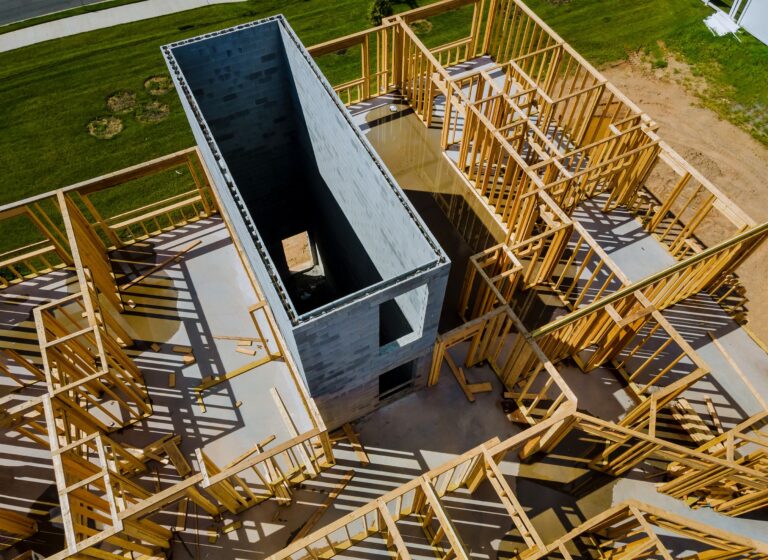
Once the foundation is complete, construction teams erect the building’s primary structural framework. This stage involves installing load-bearing walls, creating floor systems, and establishing roof structures. Skilled workers utilize advanced construction techniques to ensure precise alignment and structural strength.
Framework Implementation Techniques
Modern construction employs various framework methodologies, including:
- Steel frame construction
- Reinforced concrete structures
- Prefabricated modular systems
- Wooden frame techniques
Interior Systems and Finishing
The final construction stage focuses on transforming the structural shell into a functional, aesthetically pleasing space. Specialized contractors install essential systems like electrical wiring, plumbing, HVAC, and interior finishes. This phase requires exceptional coordination among multiple professional trades to ensure seamless integration of complex building systems.
Comprehensive Interior Installation Process
Interior system implementation involves strategic steps such as:
- Electrical system roughing and installation
- Plumbing network implementation
- Mechanical ventilation setup
- Insulation and drywall installation
- Flooring, painting, and decorative finishes
Each construction stage represents a critical component in transforming architectural vision into physical reality. Successful project completion demands precise coordination, technical expertise, and unwavering commitment to quality and safety standards.
Key Considerations in Construction Project Management
Successful construction project management requires a strategic approach that balances multiple complex elements. Professionals in this field must navigate intricate challenges while maintaining precise control over resources, timelines, and stakeholder expectations.
Resource Allocation and Management
Effective resource management stands as a critical foundation for construction project success. Project managers must meticulously plan and distribute human capital, equipment, and financial resources to ensure optimal performance. This involves:
- Precise workforce scheduling
- Strategic equipment procurement
- Budget tracking and financial forecasting
- Risk mitigation strategies
Communication and Stakeholder Engagement
Clear, consistent communication serves as the backbone of seamless project execution. Managers must establish robust communication channels with contractors, clients, architects, and regulatory bodies. Transparent dialogues prevent misunderstandings, reduce potential conflicts, and maintain project momentum.
Strategic Communication Techniques
Implementing digital collaboration tools, regular progress meetings, and comprehensive reporting mechanisms helps streamline information exchange. Advanced project management software enables real-time tracking and instant communication across multiple project teams.
Technical Complexity and Compliance
Modern construction projects demand intricate technical expertise and rigorous adherence to regulatory standards. Project managers must possess comprehensive knowledge of building codes, safety regulations, and environmental requirements. This includes:
- Comprehensive permit acquisition
- Detailed technical documentation
- Compliance with local and national construction standards
- Environmental impact assessments
Technology Integration
Leveraging cutting-edge technologies like Building Information Modeling (BIM) and advanced project management software enables more precise planning, reduced errors, and enhanced visualization of complex construction processes.
Risk Management and Contingency Planning
Anticipating potential challenges represents a crucial aspect of construction project management. Successful managers develop comprehensive risk assessment frameworks that identify potential disruptions and create strategic mitigation strategies. This proactive approach minimizes unexpected delays and financial complications.
Key Risk Assessment Elements
- Financial risk evaluation
- Schedule disruption analysis
- Safety protocol development
- Supply chain vulnerability assessment
Performance Monitoring and Quality Control
Continuous performance tracking ensures project objectives are consistently met. Implementing robust quality control mechanisms helps maintain high standards throughout the construction process. This involves regular inspections, detailed documentation, and systematic evaluation of work completed.
Performance Measurement Techniques
Advanced performance metrics, including key performance indicators (KPIs) and benchmarking against industry standards, provide comprehensive insights into project progress and potential improvement areas.
Cost Management and Financial Optimization
Precise financial management determines the overall success of construction projects. Project managers must develop sophisticated budgeting strategies that balance cost-effectiveness with quality requirements. This includes detailed expense tracking, vendor negotiations, and continuous financial forecasting.
Financial Control Strategies
Utilizing advanced financial management tools and maintaining flexibility in budget allocation allows project managers to adapt to changing market conditions and unexpected challenges.
Mastering these critical considerations transforms construction project management from a complex challenge into a strategic, systematically controlled process. By integrating comprehensive planning, advanced technologies, and proactive management techniques, professionals can consistently deliver successful construction projects that meet or exceed stakeholder expectations.
Conclusion
Building construction is a complex, multi-faceted process that demands meticulous planning, expertise, and coordination across multiple stages. From initial conceptualization to final completion, each phase plays a critical role in transforming architectural vision into tangible reality. Successful construction projects hinge on understanding and effectively executing these interconnected stages with precision and strategic management.
Project managers and construction professionals must recognize that these five stages are not isolated steps, but an integrated journey requiring continuous communication, adaptability, and technical proficiency. The seamless progression from planning through design, pre-construction, construction, and project closeout determines the ultimate success of any building endeavor.
Key takeaways for effective construction project management include maintaining robust communication channels, implementing rigorous quality control measures, managing financial resources strategically, and staying flexible to address unexpected challenges. Technology and advanced project management tools have revolutionized how construction teams collaborate, track progress, and mitigate potential risks.
Ultimately, building construction represents a remarkable blend of human creativity, engineering expertise, and systematic execution. By embracing comprehensive planning, leveraging technological innovations, and maintaining a holistic approach to project management, construction teams can consistently deliver high-quality structures that meet client expectations and contribute positively to our built environment.
The future of construction lies in continued innovation, sustainability, and a commitment to excellence across every stage of the building process. Professionals who master these fundamental principles will be well-positioned to lead successful construction projects in an increasingly complex and dynamic industry landscape.