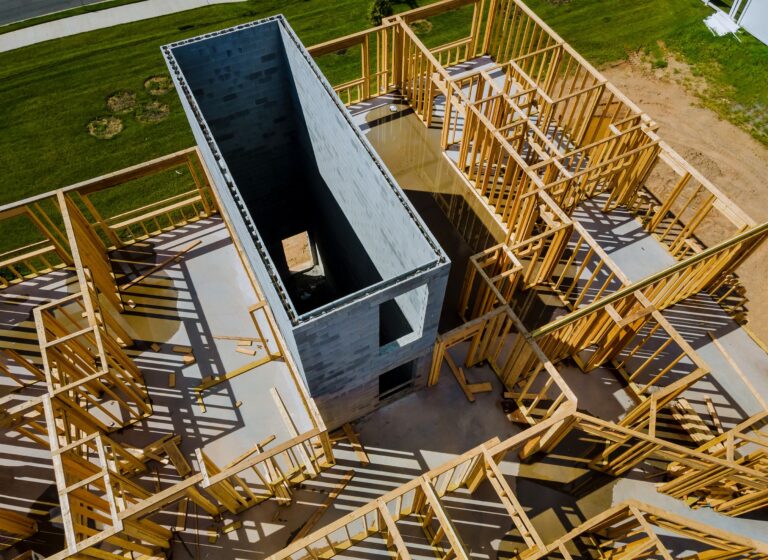
Essential Criteria for Selecting a Top-Tier Commercial Building Construction Company
Choosing the right commercial building construction company can make or break your project’s success. With numerous options available in the market, selecting a top-tier contractor requires careful evaluation and strategic decision-making. Your investment demands a partner who can deliver exceptional quality, reliability, and professional expertise.
Comprehensive Experience and Track Record
When assessing potential construction companies, their professional history speaks volumes. Look for firms with a proven track record in commercial building projects similar to yours. A company with extensive experience in your specific sector – whether retail, office, industrial, or healthcare – will understand unique industry requirements and potential challenges.
Key Experience Indicators:
- Years of operational history
- Portfolio of completed commercial projects
- References from previous clients
- Specialized sector expertise
Financial Stability and Resources
A robust construction company must demonstrate strong financial health to manage complex commercial projects. Evaluate their financial standing by requesting comprehensive financial statements, examining their capacity to handle large-scale investments, and understanding their resource allocation strategies.
Financial Assessment Criteria:
- Company’s financial statements
- Bonding capacity
- Access to specialized equipment
- Workforce strength and qualifications
Technical Capabilities and Innovation
Modern commercial construction demands advanced technological integration and innovative approaches. Seek companies that leverage cutting-edge technologies like Building Information Modeling (BIM), advanced project management software, and sustainable construction techniques.
Technology Evaluation Points:
- Digital project management tools
- Advanced design and planning capabilities
- Sustainable construction methodologies
- Quality control technologies
Compliance and Certification
Regulatory compliance is crucial in commercial construction. Ensure your chosen contractor maintains proper licensing, certifications, and adheres to local, state, and federal building regulations. Verify their safety records, insurance coverage, and commitment to industry standards.
Compliance Verification Checklist:
- Valid contractor licenses
- Current professional certifications
- Comprehensive insurance coverage
- Occupational safety records
Communication and Project Management
Effective communication determines project success. A top-tier construction company should demonstrate transparent, consistent communication channels, providing regular updates, detailed reporting, and proactive problem-solving approaches.
Communication Excellence Indicators:
- Dedicated project management team
- Regular progress reporting
- Responsive communication protocols
- Clear contract and scope definition
Cost-Effectiveness and Value Proposition
While cost is important, prioritize value over the lowest price. A reputable construction company offers competitive pricing balanced with superior quality, efficient timelines, and long-term project sustainability. Request detailed, transparent cost breakdowns and understand their approach to budget management.
Value Assessment Factors:
- Comprehensive cost estimation
- Transparent pricing structure
- Potential long-term cost savings
- Quality of materials and workmanship
Selecting the ideal commercial building construction company requires thorough research, strategic evaluation, and a holistic understanding of your project’s unique requirements. By carefully considering these essential criteria, you can partner with a contractor who transforms your vision into a successful, high-quality commercial construction project.
Key Factors to Evaluate When Assessing Construction Firm Capabilities and Reliability
Professional Experience and Track Record
Examining a construction company’s professional history provides essential insights into their capabilities. Look for firms with extensive experience in commercial building projects similar to your specific requirements. Review their portfolio of completed projects, paying close attention to:
- Project complexity and scale
- Types of commercial buildings constructed
- Geographic regions served
- Years of operational experience
Technical Expertise and Specialization
Different construction firms possess varying levels of technical proficiency. Assess their specialized knowledge in areas such as:
- Advanced construction methodologies
- Sustainable building techniques
- Modern architectural design integration
- Compliance with current building codes
Firms demonstrating deep technical understanding and adaptability will likely deliver more sophisticated and efficient project outcomes.
Financial Stability and Resource Management
A construction company’s financial health directly impacts project execution. Request comprehensive financial documentation to evaluate:
- Annual revenue
- Bonding capacity
- Investment in modern equipment
- Workforce stability
Companies with robust financial foundations can better manage unexpected challenges and maintain consistent project momentum.
Safety Records and Compliance Standards
Workplace safety represents a critical evaluation criterion. Investigate the firm’s safety protocols, including:
- Occupational safety certifications
- Historical accident rates
- Employee training programs
- Compliance with industry safety regulations
A strong safety culture indicates professionalism and commitment to worker protection.
Technology and Innovation Integration
Modern construction demands technological proficiency. Evaluate the firm’s technological capabilities through:
- Digital project management tools
- Building Information Modeling (BIM) expertise
- Advanced construction software utilization
- Digital communication and reporting systems
Technologically advanced firms typically demonstrate superior project coordination and efficiency.
Client References and Reputation
Comprehensive due diligence involves investigating client testimonials and industry reputation. Request:
- Detailed client references
- Case study reviews
- Independent project evaluations
- Professional network recommendations
Authentic feedback provides unfiltered insights into the firm’s performance and reliability.
Communication and Collaboration Approach
Effective communication determines project success. Assess the construction firm’s collaborative strategies by examining:
- Transparency in project reporting
- Responsiveness to client inquiries
- Problem-solving methodologies
- Flexibility in adapting to project changes
A construction partner committed to clear, consistent communication minimizes misunderstandings and potential conflicts.
Strategic selection requires comprehensive evaluation across multiple dimensions. By meticulously assessing these key factors, you can identify a construction firm capable of transforming your commercial building vision into a successful, high-quality reality.
Conclusion
Choosing the right commercial building construction company is a critical decision that can significantly impact the success of your project. By carefully evaluating potential firms through a comprehensive lens of experience, reputation, technical capabilities, and financial stability, you can minimize risks and maximize project outcomes.
The selection process requires a strategic approach that goes beyond surface-level assessments. Successful project owners understand that thorough due diligence involves examining a construction company’s track record, verifying credentials, analyzing past project portfolios, and assessing their ability to meet specific project requirements.
Ultimately, the ideal construction partner will demonstrate not just technical expertise, but also strong communication skills, adaptability, and a commitment to quality. They should offer transparent processes, reliable project management, and the capacity to navigate complex construction challenges while maintaining budget and timeline constraints.
Your investment in selecting the right construction company will pay dividends throughout the project lifecycle. A meticulously chosen firm will bring innovative solutions, risk mitigation strategies, and a collaborative approach that transforms your commercial building vision into a tangible, high-quality reality.
Remember that this decision is more than a transactional relationship—it’s a strategic partnership that can determine the long-term success of your commercial building project. Take the time to conduct comprehensive research, ask probing questions, and trust your professional instincts when making this crucial selection.
By following the guidelines and evaluation criteria outlined in this article, you’ll be well-positioned to identify a construction company that not only meets but exceeds your project expectations, ensuring a successful and smooth construction process from inception to completion.